Utah's Second Season Is About Proving Year One Wasn't a Fluke

Utah Mammoth aims to prove their first-year playoff success wasn't a fluke as they face adjustments in their second NHL season in 2026.
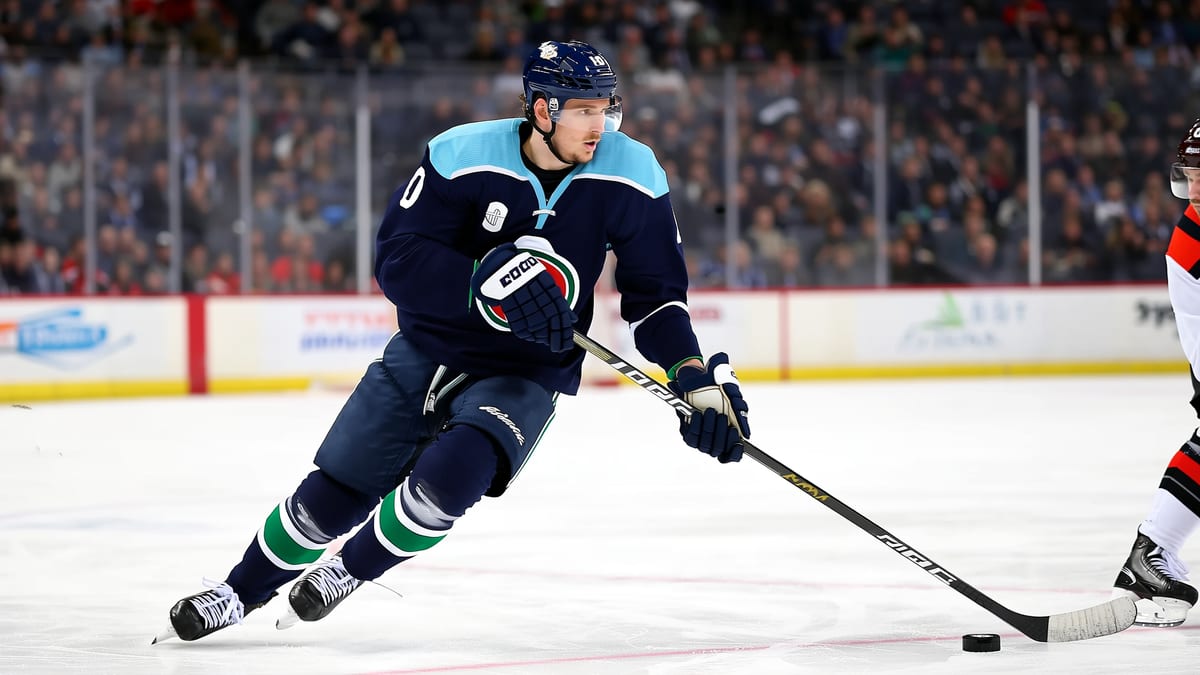
Every relocated or expansion franchise gets one season where nobody quite knows how to scout it. Utah had that season and used it well, riding disciplined defensive structure and above-average goaltending into a playoff spot in its first year in Salt Lake City. That novelty is gone now. Opposing coaching staffs have a full year of tape, and the questions this season are less about whether Utah belongs and more about whether the formula still works once it stops being a surprise.
The structure has to hold without the element of surprise
Utah’s identity last season was built on limiting quality chances rather than out-scoring anyone, a system that leans hard on discipline up and down the lineup and on a goaltending tandem playing above its raw talent level in a structure that made saves easier to make. That kind of season is repeatable in theory, but it is also exactly the kind of profile that division rivals spend an offseason building specific counters for. The Mammoth’s coaching staff has effectively been playing with house money once; running it back requires the structure to be genuinely elite rather than merely well-timed.
The roster additions this summer skew toward adding secondary scoring rather than overhauling anything, which reads as a franchise that trusts its process and wants to fix the one obvious hole: games where the defense held and the goaltending was good enough, and the team still didn’t have enough finishers to close it out.
Arena, market, and the pressure that comes with staying
Delta Center sold well in year one, and a Utah franchise that struggled to draw at the gate would have been a much bigger story than a Utah franchise that made the playoffs. That business success removes one kind of pressure and adds another: this is no longer a relocation curiosity, it is a market the league is counting on, and a step back in the standings would get read very differently in year two than it would have in year one.
The Central Division does not offer an easy path. Every team in it took the offseason seriously, and Utah’s path back to the postseason likely runs through beating teams that specifically prepared for what beat them last spring. The Mammoth proved the model can work once. This season decides whether it is a system or it was a moment.
Odds and market references describe the situation at the time of writing. You must meet the legal gambling age in your province or territory. See responsible gambling.