Utah's second season is a tougher bet than the first

Utah Mammoth playoff odds for the 2026-27 season after a strong first year. Analyzing their strategies and formula for success in year two.
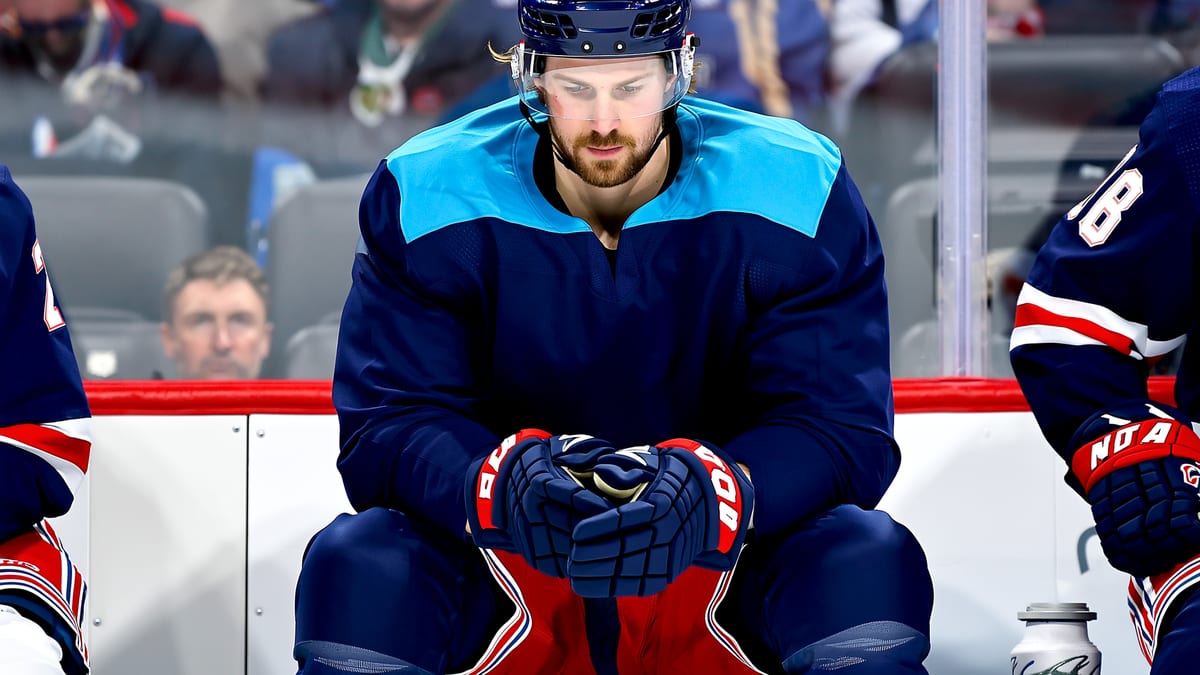
Utah made the playoffs in its first season in Salt Lake City, and it did it without a roster full of established stars. Strong goaltending and disciplined structure carried the Mammoth further than their name recognition would have suggested. That formula gets harder to repeat in year two.
Why the first playoff berth is the easy one
A new franchise arrives without a scouting history for opposing coaches to work from. Systems and tendencies take a full season to show up clearly on tape, and Utah’s first playoff run happened while much of the league was still learning who they were. That element of surprise is gone now.
It matters more for this particular team than it would for most. Utah’s season was built on suppressing chance quality rather than out-scoring anyone, and a goaltending tandem that played above its raw talent inside a structure designed to make saves easier to make. Both halves of that are downstream of the system holding. Neither is the kind of individual talent that keeps producing regardless of what the other bench knows.
What changes for year two
Every team Utah plays this season has a full year of film on its structure, its goaltending usage, and its special-teams tendencies. A team that overachieved on discipline and defensive structure is more scoutable than one built around individual star talent, because structure is exactly the kind of thing an opposing coaching staff can prepare for directly.
The roster response was modest. Utah added secondary scoring rather than overhauling anything, which is a rational fix for a team that kept losing games it had defended well enough to win. It is not a fix for the underlying problem, which is that the structure now has to be genuinely elite instead of merely unfamiliar.
The Central makes the arithmetic worse
This is where the schedule change bites. The league is at 84 games, and both extra dates are divisional, so Utah does not collect two soft games. It collects two more against a Central field that took the offseason seriously and spent part of it building counters to what beat them last spring.
A published set of points-total plays in late July had the Mammoth’s over at 96.5 at even money, which is the traditional bubble-team number and reads like a market that expects a repeat rather than a regression. The playoff market is priced off the same assumption. Both are asking a team to hold its ground while its schedule gets harder and its opponents get better prepared.
The pick
Fade Utah relative to last season’s price. This isn’t a bet that the Mammoth collapse, it’s a bet that a formula built on being underestimated performs worse once the league stops underestimating it, and the market hasn’t fully priced that adjustment yet.
The counterargument is worth stating plainly: this is a young roster, and young rosters improve on their own. If the goaltending was genuinely good rather than well-hidden, and the added scoring converts a handful of one-goal losses, Utah pushes through the regression instead of drowning in it. That is the outcome this position loses to, and it is not a remote one.
Odds and market references describe the situation at the time of writing. You must meet the legal gambling age in your province or territory. See responsible gambling. New to betting on the NHL? Start with our guide to hockey betting.